As the buzz of the festive season builds, we prepare for celebration, gift giving, and time with loved ones.
Sydney Olympic Park has been in busy preparing a gift for Park users that’s not wrapped in ribbon, but in science!
The Grinch of the wetlands
As we move into the warmer months that we enjoy alongside our festive season, the saltmarsh mosquito, Aedes vigilax, comes into its active season.
There are dozens of different mosquito species present in the greater Sydney metropolitan region, and most pose little concern to people. However, Aedes vigilax, is a species of mosquito found in estuarine wetlands that is known for nuisance biting.
Sydney Olympic Park is one of several locations along the Parramatta River where Aedes vigilax breeds. This species is thought to be one of the most widely dispersing mosquitoes in Australia, having been recorded moving more than 3 km.
At the Park, Aedes vigilax primarily breed in large stands of Coastal Saltmarsh, an endangered ecological community protected under NSW legislation, in parts of Newington Nature Reserve wetland and Badu Mangroves.
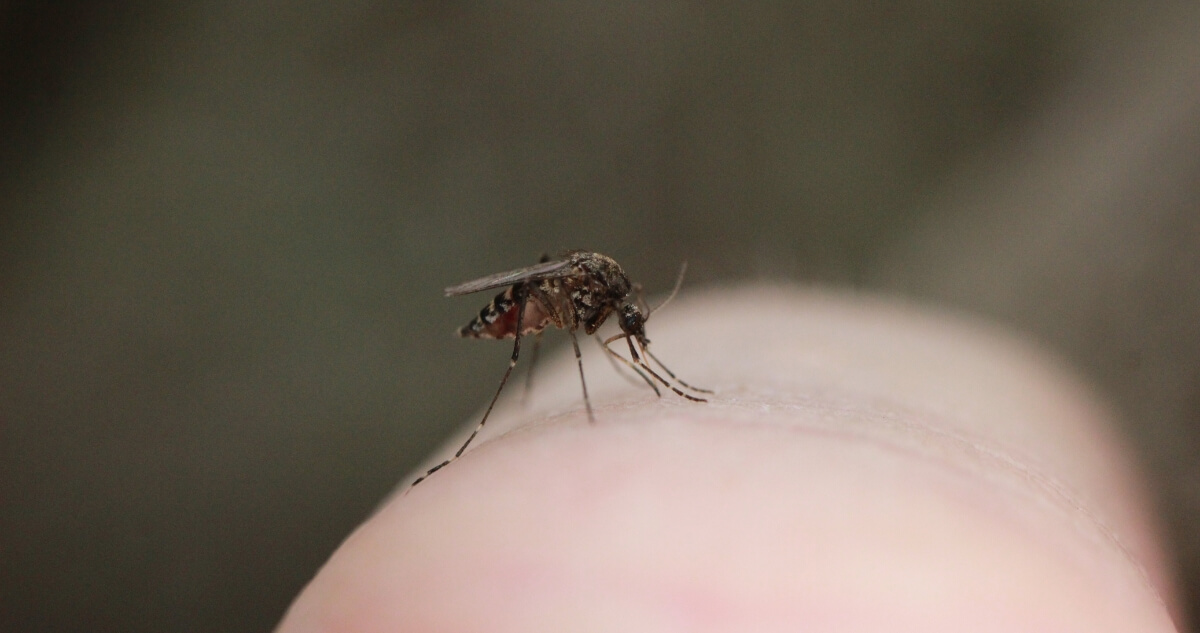
Did you know? Only adult female mosquitoes bite as they need blood to develop their eggs.
The gift that keeps on giving
We’ve been working with NSW National Parks and Wildlife Service and scientists from NSW Health Pathology Department of Medical Entomology to continue our mosquito management program.
The team is pleased to report a fantastic start to this year’s program, with the first treatment held on 10th November resulting in reduction of Aedes vigilax by up to 94%!
All is calm with Bti
Our mosquito management program involves aerial and ground-based application of the control agent Bacillus thuringiensis israelensis (Bti). This control agent is a bacterium-based product that when eaten by mosquito larvae, destroys their gut wall and kills them.
Bti is one of the most widely used mosquito control agents by authorities in Australia to reduce mosquito activity, as it is highly specific to mosquito larvae and safe to people, pets and the environment when applied at recommended rates.
The application of Bti needs to be applied at a specific stage of the mosquito life cycle to be effective, only working on mosquito larvae treated within a few days of hatching – it does not work on older larvae, pupating larvae or adult mosquitoes.
This is why we have scientists regularly monitor the extent of wetland inundation, rainfall, and the abundance of newly hatched larvae across the estuarine wetlands. The data is used to determine the most effective windows to apply Bti, with treatment dates confirmed and advised a day or two in advance, based on this on-ground monitoring. You can keep informed by registering to receive notification of upcoming aerial mosquito treatments.
The effectiveness of each treatment is then assessed by comparing pre- and post-treatment larval densities, as well as changes in the relative abundance of adult mosquitoes caught in mosquito traps.
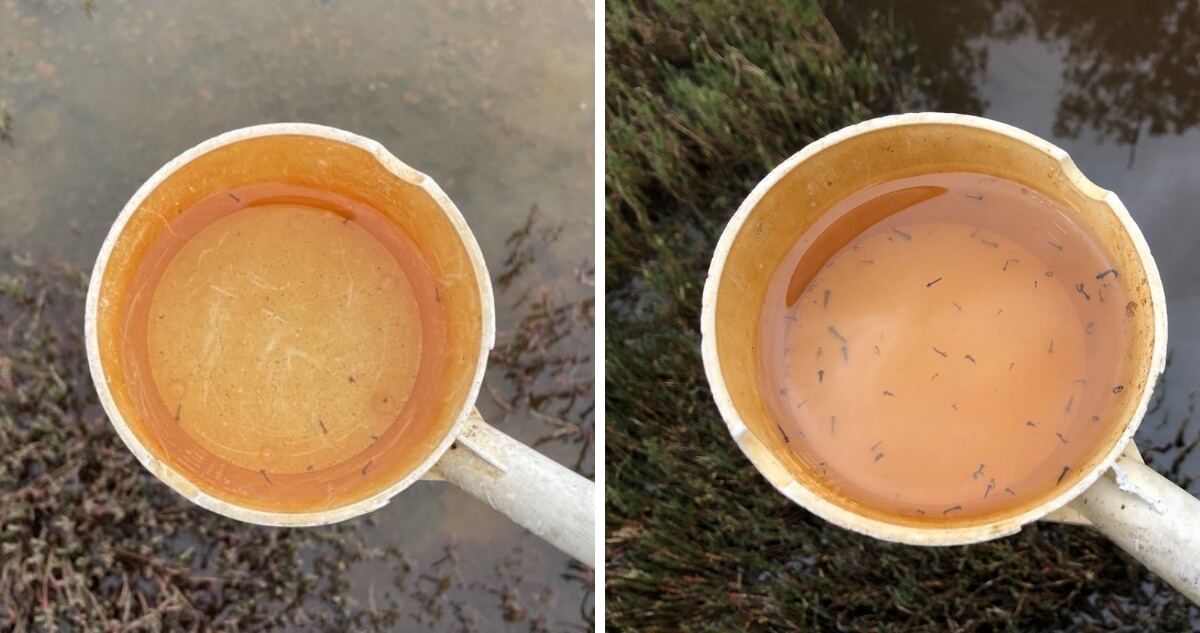
RIGHT: Larval densities after treatment © Cameron Webb
Sydney Olympic Park’s mosquito management program is also supplemented by continual works to improve and support tidal flushing of wetlands, thereby reducing the area of mosquito-breeding habitats.
Keep safe this holiday season
While mosquitoes play a role in transmitting pathogens, such as Ross River virus, the risks of mosquito-borne disease at Sydney Olympic Park are low because of the absence of the animals, such as kangaroos and wallabies, that most commonly carry these pathogens. NSW Health monitors the activity of mosquito-borne pathogens at sites across NSW, as part of the NSW Arbovirus Surveillance and Mosquito Monitoring Program.
See what you can do to stop mosquito bites around your home and whilst visiting the Park in our awareness and protection flyer here.
You might also be interested in...
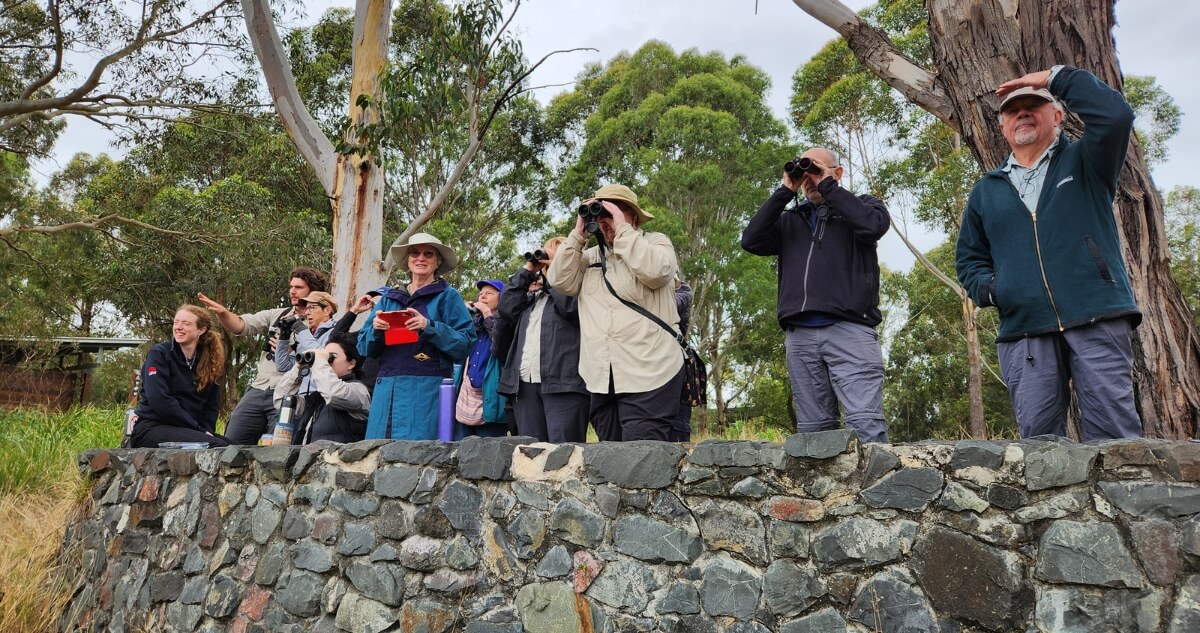

We’ve recently completed the 22nd annual Spring Bird Census 2025 at Sydney Olympic Park.
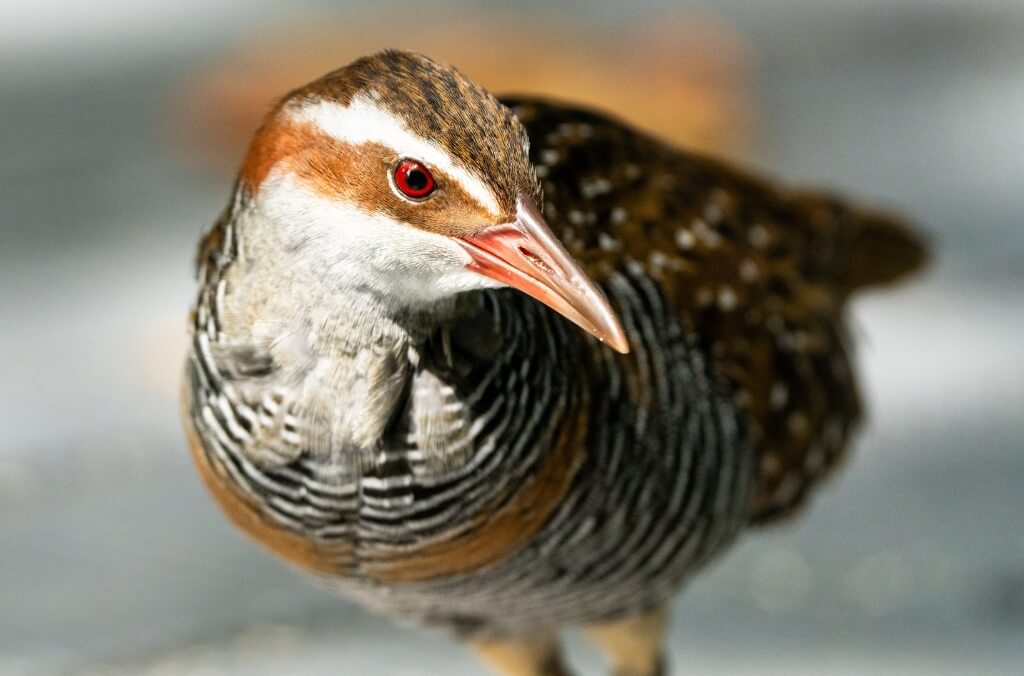
They say you sometimes need to fake it until you make it, but in nature, there are species that need to fake it to survive.